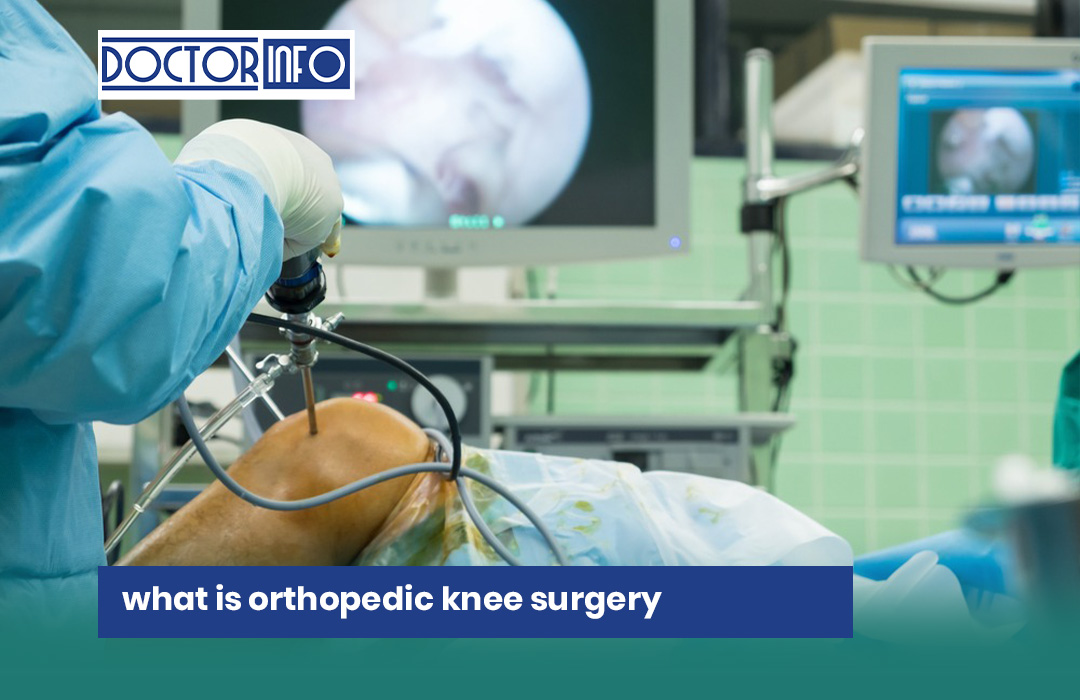
What is Orthopedic Knee Surgery
- 22 May 2025
- Best Doctor List
Your knees are among the most crucial joints in your body — supporting your weight, enabling movement, and absorbing shock as you walk, run, or jump. When knee pain or injury strikes, it can drastically affect your quality of life. That’s where orthopedic knee surgery comes in, offering solutions to restore function, relieve pain, and get you back on your feet.
In this article, we’ll explore everything you need to know about orthopedic knee surgery — from what it entails, types of procedures, recovery expectations, to who should consider surgery. Whether you’re a patient, caregiver, or just curious, this guide will break down the essentials clearly and help you make informed decisions.
What is Orthopedic Knee Surgery?
Orthopedic knee surgery refers to medical procedures performed by orthopedic surgeons to repair or replace damaged structures within the knee joint. These surgeries address a variety of issues, including injuries, degenerative conditions, and deformities affecting the bones, cartilage, ligaments, or tendons around the knee.
The primary goal? To reduce pain, improve mobility, and restore knee stability — ultimately helping patients regain their daily activities and quality of life.
Common Conditions Leading to Knee Surgery
Several knee problems might require surgical intervention, including:
- Osteoarthritis: Degenerative joint disease causing cartilage wear and pain.
- Rheumatoid arthritis: Autoimmune inflammation leading to joint damage.
- Meniscus tears: Tears in the cartilage that cushions the knee.
- Ligament injuries: Especially ACL (anterior cruciate ligament) tears common in athletes.
- Patellar disorders: Issues with the kneecap alignment or cartilage.
- Fractures: Broken bones around the knee joint.
- Infections or tumors: Rare but serious conditions affecting the knee.
Types of Orthopedic Knee Surgery
Orthopedic knee surgeries vary widely depending on the condition, severity, patient age, and lifestyle. Here are the most common types:
1. Arthroscopic Surgery
- Minimally invasive surgery using a small camera (arthroscope) inserted through tiny incisions.
- Used for meniscus repair, cartilage trimming, ligament reconstruction, or removal of loose bodies.
- Benefits: Less pain, quicker recovery, and minimal scarring.
2. Partial Knee Replacement (Unicompartmental Knee Arthroplasty)
- Replaces only the damaged compartment of the knee.
- Ideal for patients with localized arthritis.
- Benefits: Preserves healthy bone and ligaments, faster rehabilitation.
3. Total Knee Replacement (Total Knee Arthroplasty)
- Replaces the entire knee joint with a prosthesis.
- Recommended for advanced arthritis or severe damage.
- Benefits: Significant pain relief and improved function but longer recovery.
4. Ligament Reconstruction
- Commonly performed for ACL or PCL (posterior cruciate ligament) tears.
- Uses grafts (autograft or allograft) to rebuild torn ligaments.
- Restores knee stability for active patients.
5. Osteotomy
- Bone is cut and realigned to shift weight away from damaged areas.
- Suitable for younger patients with early arthritis or deformity.
- Delays need for joint replacement.
What to Expect Before, During, and After Surgery
Preoperative Assessment
- Thorough evaluation by an orthopedic surgeon.
- Imaging tests like X-rays or MRIs.
- Discussion about medical history, expectations, and surgical risks.
During Surgery
- Performed under general or regional anesthesia.
- Duration varies from 30 minutes (arthroscopy) to 2-3 hours (total knee replacement).
- Hospital stay can range from outpatient to a few days depending on surgery type.
Postoperative Recovery
- Initial pain management with medications and ice therapy.
- Physical therapy is crucial for regaining strength and mobility.
- Recovery time varies:
- Arthroscopy: Weeks.
- Partial knee replacement: 6-8 weeks.
- Total knee replacement: 3-6 months for full recovery.
- Arthroscopy: Weeks.
Risks and Complications
While orthopedic knee surgery is generally safe, some risks include:
- Infection
- Blood clots
- Nerve or blood vessel injury
- Stiffness or limited range of motion
- Implant failure or loosening (in replacements)
Discussing these risks with your surgeon helps prepare and minimize complications.
Who Should Consider Orthopedic Knee Surgery?
Surgery is typically considered when:
- Non-surgical treatments (physical therapy, medications, injections) have failed.
- Pain significantly limits daily activities or sleep.
- Knee instability or deformity is present.
- Imaging confirms structural damage requiring repair.
Age is less important than overall health, activity goals, and severity of knee damage.
The Future of Knee Surgery: Innovations on the Horizon
Advances like robotic-assisted surgery, improved prosthetic designs, and biological therapies (e.g., stem cells, platelet-rich plasma) are enhancing outcomes, reducing recovery times, and improving joint longevity.
Final Thoughts
Orthopedic knee surgery is a powerful tool for restoring function and improving quality of life for many patients with knee problems. Understanding the types of surgeries, what to expect, and potential risks can help you make confident decisions alongside your healthcare team.
If you’re struggling with persistent knee pain or injury, consult an orthopedic specialist to explore your options. With the right care, you can get back to moving comfortably and living fully.


