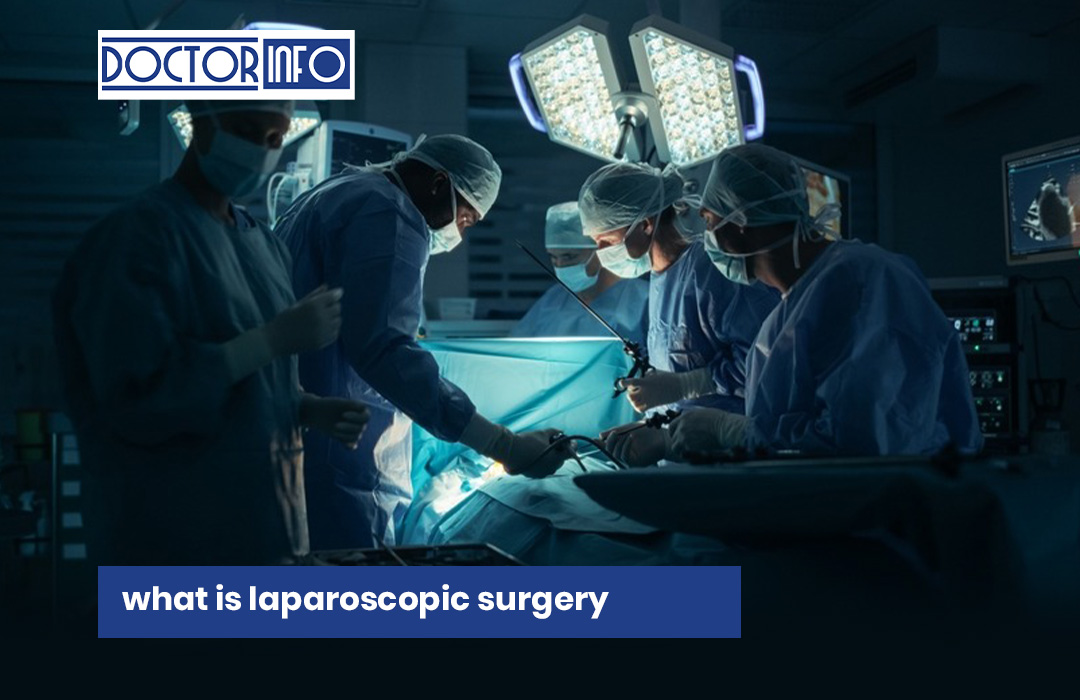
What is Laparoscopic Surgery
- 22 May 2025
- Best Doctor List
In recent years, laparoscopic surgery has revolutionized the field of modern medicine. From quicker recovery times to reduced scarring, this minimally invasive technique is helping millions of patients across the world heal faster and get back to their lives with fewer complications.
But what exactly is laparoscopic surgery, and how does it work? In this guide, we’ll break down everything you need to know—from the procedure and benefits to common uses, risks, and recovery.
What Is Laparoscopic Surgery?
Laparoscopic surgery, also known as minimally invasive surgery or keyhole surgery, is a surgical technique that allows doctors to operate through small incisions using a device called a laparoscope—a thin tube with a camera and light.
Unlike traditional open surgery that requires large cuts, laparoscopic procedures are performed using just a few small incisions (usually 0.5 to 1 cm), making it less traumatic for the body.
How Does Laparoscopic Surgery Work?
Here’s a step-by-step breakdown of what typically happens during a laparoscopic procedure:
- Small Incisions: The surgeon makes 2–4 tiny cuts in the abdomen.
- Insertion of Laparoscope: A laparoscope is inserted to provide a live video feed of the internal organs.
- Use of Surgical Tools: Specialized instruments are inserted through other small incisions.
- Gas Insufflation: The abdomen is filled with carbon dioxide gas to create space for better visibility and movement.
- Surgical Procedure: The surgery is performed while viewing the monitor.
- Closure: Once the procedure is complete, the instruments are removed, gas is released, and incisions are closed with stitches or surgical glue.
Key Benefits of Laparoscopic Surgery
Laparoscopic surgery offers multiple advantages over traditional open surgery:
✅ Smaller Incisions and Minimal Scarring
✅ Less Pain and Reduced Blood Loss
✅ Shorter Hospital Stay
✅ Faster Recovery Time
✅ Lower Risk of Infection
✅ Earlier Return to Normal Activities
Common Types of Laparoscopic Surgeries
Laparoscopy is commonly used across many specialties. Some of the most frequently performed procedures include:
🔹 Laparoscopic Appendectomy
Removal of the appendix, often due to appendicitis.
🔹 Laparoscopic Cholecystectomy
Removal of the gallbladder, usually due to gallstones.
🔹 Laparoscopic Hernia Repair
Used to repair hernias in the abdomen or groin.
🔹 Laparoscopic Hysterectomy
Removal of the uterus in gynecologic procedures.
🔹 Laparoscopic Bariatric Surgery
For weight loss, including procedures like gastric sleeve and gastric bypass.
🔹 Laparoscopic Colorectal Surgery
Used to treat colon cancer or inflammatory bowel diseases like Crohn’s or ulcerative colitis.
Are There Any Risks Involved?
While laparoscopic surgery is considered safe and effective, like any surgical procedure, it does carry some risks:
- Bleeding or infection at incision sites
- Injury to internal organs (though rare)
- Reactions to anesthesia
- Complications from gas insufflation (e.g., shoulder pain, bloating)
- In some cases, conversion to open surgery if visibility is poor
Always consult with your surgeon to assess your personal risk factors.
What Is the Recovery Time for Laparoscopic Surgery?
Most patients experience a much quicker recovery compared to open surgery. Here’s what recovery generally looks like:
- Same-day or 1-night hospital stay
- Return to light activities in 1–2 weeks
- Full recovery in 2–4 weeks, depending on the procedure
Your surgeon will give you detailed post-operative instructions, including when to resume work, diet tips, and activity limitations.
FAQs About Laparoscopic Surgery
Is laparoscopic surgery painful?
Pain is usually minimal compared to open surgery. Most patients report mild discomfort that can be managed with over-the-counter medications.
How long does a laparoscopic procedure take?
Most procedures take 30 minutes to 2 hours, depending on complexity.
Can all surgeries be done laparoscopically?
Not all. Some conditions require open surgery due to complications or anatomy, but many common operations are now done laparoscopically.
Final Thoughts: Should You Consider Laparoscopic Surgery?
Laparoscopic surgery has become the gold standard for many procedures, offering less pain, quicker healing, and fewer complications. If you're a candidate, it's worth considering for a safer and more comfortable surgical experience.
Speak to your doctor to determine whether you’re eligible and get tailored advice based on your health condition.


