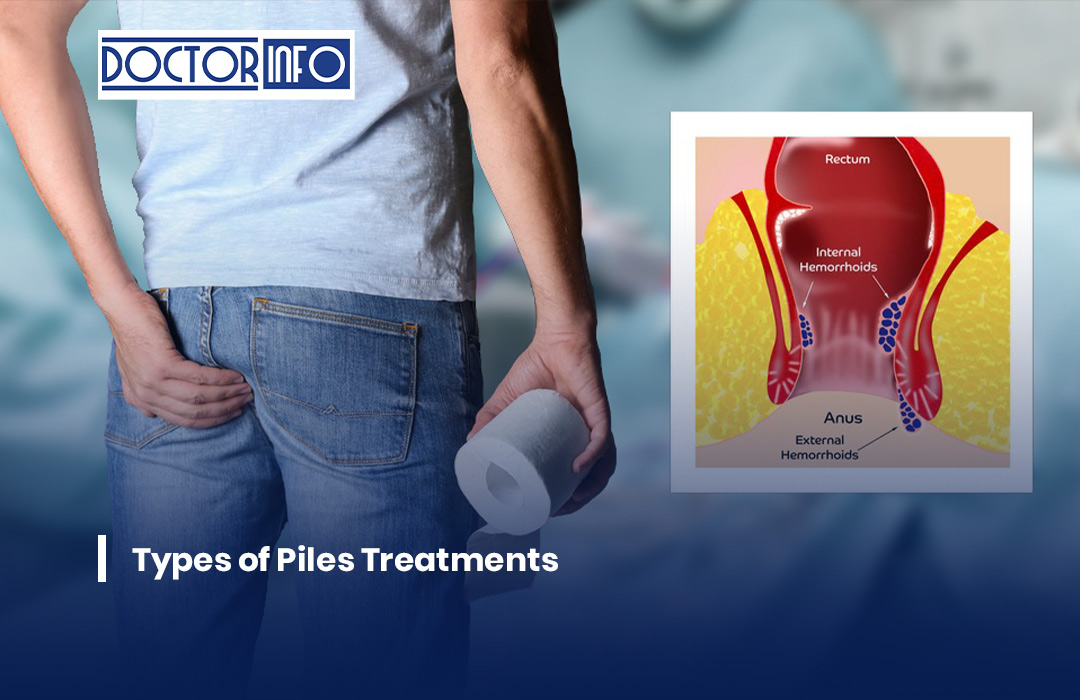
Types of Piles Treatments
- 22 Apr 2025
- Best Doctor List
Piles, also known as hemorrhoids, are swollen veins in the lower rectum or anus, often causing discomfort, pain, and bleeding. They can affect people of all ages and are commonly associated with prolonged sitting, constipation, straining during bowel movements, pregnancy, and a low-fiber diet. Fortunately, a range of treatment options is available, from home remedies to advanced medical procedures, depending on the severity of the condition.
Types of Piles Treatments
1. Lifestyle and Home Remedies
For mild cases, piles can often be managed with lifestyle changes, which help reduce inflammation and prevent recurrence:
- High-fiber diet: Consuming fiber-rich foods such as fruits, vegetables, and whole grains can soften stool and reduce straining.
- Hydration: Drinking plenty of water helps maintain bowel regularity.
- Exercise: Regular physical activity improves digestion and reduces pressure on rectal veins.
- Sitz baths: Sitting in warm water for 10-15 minutes, several times a day, especially after bowel movements, can relieve pain and irritation.
- Topical creams and ointments: Over-the-counter options may reduce symptoms like itching or burning.
2. Medications
If lifestyle changes do not provide sufficient relief, physicians may recommend:
- Oral pain relievers: Paracetamol or ibuprofen can alleviate discomfort.
- Laxatives: These can reduce straining by softening stools, especially in patients with chronic constipation.
- Corticosteroid creams: These reduce inflammation but should be used under medical supervision to avoid side effects.
3. Non-Surgical Procedures
For moderate cases, minimally invasive treatments are available, often performed on an outpatient basis:
- Rubber band ligation: A common and effective method where a rubber band is placed around the base of the pile to cut off blood flow, causing it to shrink and fall off.
- Sclerotherapy: A chemical solution is injected into the pile, leading to its shrinkage.
- Infrared coagulation (IRC): A device is used to burn the pile tissue with infrared light.
- Cryotherapy: Freezing piles using liquid nitrogen, although less commonly used today due to higher recurrence rates.
4. Surgical Options
When other treatments fail or in cases of severe or thrombosed hemorrhoids, surgery may be necessary:
- Hemorrhoidectomy: Complete surgical removal of hemorrhoids, typically performed under anesthesia. It's highly effective but may involve a longer recovery time.
- Stapled hemorrhoidopexy: A less painful alternative to hemorrhoidectomy that involves repositioning the hemorrhoids and cutting off their blood supply using a stapling device.
The Role of Informed Decision-Making in Piles Treatment
Choosing the right treatment option should be based on an accurate diagnosis, the stage of the condition, patient preferences, and long-term management goals. Access to reliable and comprehensive healthcare information plays a crucial role in this process.
In Bangladesh, DoctorInfoBD offers an integrated healthcare information solution that connects patients with qualified specialists and up-to-date medical insights. This service allows individuals to explore available treatments, compare options, and book consultations with expert healthcare providers.
For patients seeking trusted guidance on piles or any other health concerns, DoctorInfoBD is readily accessible:
Contact Information:
- Address: Mirpur, Dhaka, Bangladesh
- Phone: +880 1902991500
- Email: clinicsheba@yahoo.com
By providing verified doctor profiles, clinic locations, and appointment services, DoctorInfoBD empowers patients to make informed choices and seek timely medical care.
Conclusion
Piles are a common yet manageable condition. With various treatment options available—from home remedies to surgical interventions—patients can find relief and prevent recurrence. The key lies in early detection, appropriate care, and access to reliable healthcare information. Platforms like DoctorInfoBD are helping bridge the gap between patients and providers in Bangladesh, fostering better health outcomes and informed decisions.


