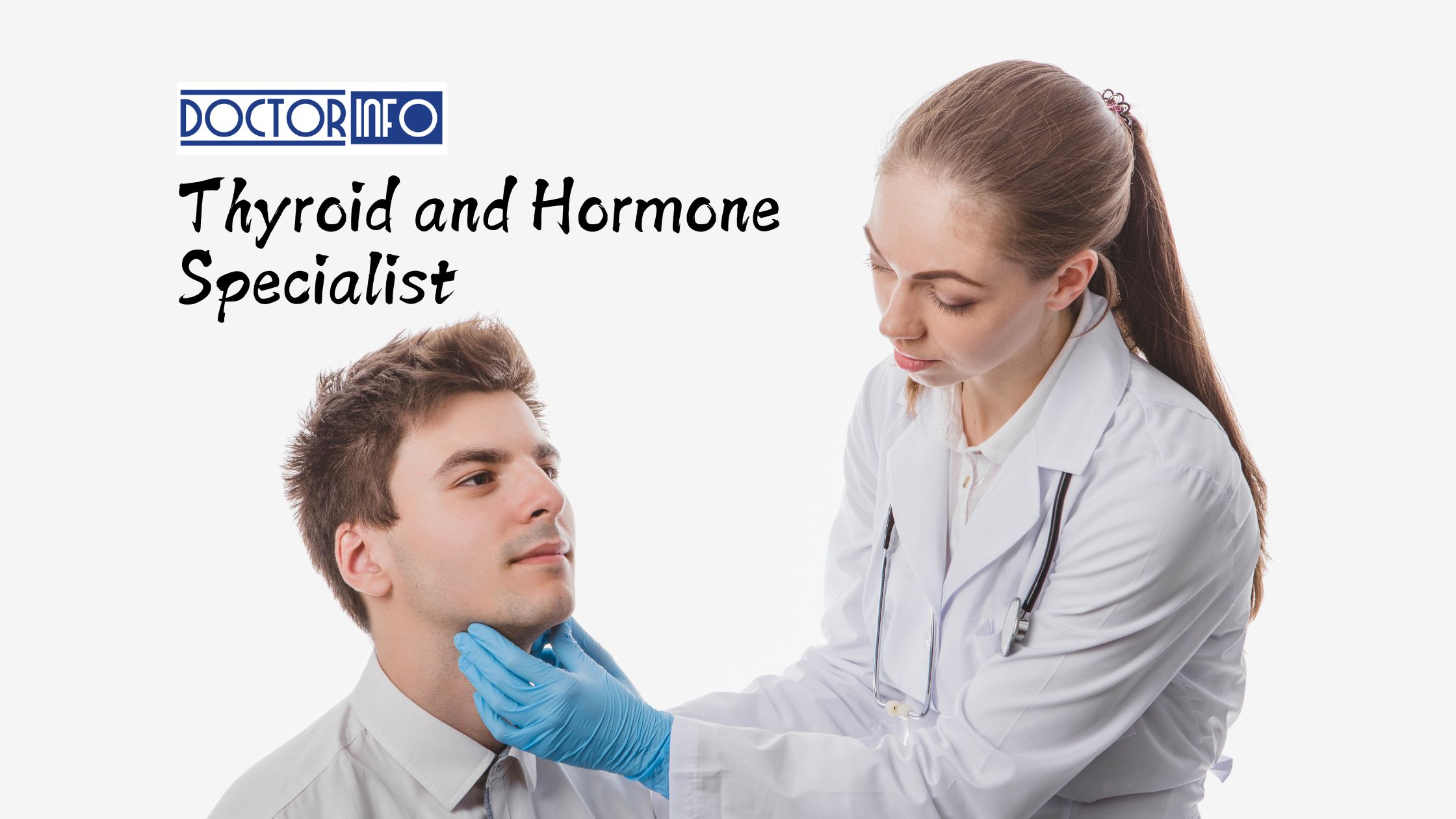
How Thyroid and Hormone Specialist Diagnose and Manage Hypothyroidism
- 13 Nov 2024
- Best Doctor List
Hypothyroidism, commonly known as an underactive thyroid, is a chronic condition affecting millions worldwide. When the thyroid gland fails to produce adequate amounts of thyroid hormones, it disrupts numerous bodily functions, from metabolism to mood, and can profoundly impact the quality of life. Proper diagnosis and management by a thyroid and hormone specialist are crucial to control the condition and help patients lead healthier, more balanced lives. This article explores the diagnostic process, treatment options, and long-term management strategies for hypothyroidism.
Knowing about Hypothyroidism
What is Hypothyroidism?
Hypothyroidism occurs when the thyroid gland, a butterfly-shaped organ in the neck, does not produce enough thyroid hormones—primarily triiodothyronine (T3) and thyroxine (T4). These hormones regulate metabolism, heart rate, digestion, and other vital processes. The body's metabolic rate slows without adequate thyroid hormones, leading to various symptoms and health issues.
Importance of the Thyroid Gland
The thyroid gland is crucial in maintaining the body's metabolic balance. The hormones produced by the thyroid interact with nearly every organ in the body, affecting how efficiently cells and tissues function. By controlling metabolism, the thyroid impacts energy levels, growth, and development, making it essential for overall health.
Common Causes and Risk Factors for Hypothyroidism
Several factors can lead to hypothyroidism. Understanding the root cause is crucial for effective management, and common causes include:
- Autoimmune Disease: Hashimoto's thyroiditis, the most common cause, is an autoimmune disorder in which the immune system attacks the thyroid gland, impairing its ability to produce hormones.
- Iodine Deficiency: Iodine is necessary for thyroid hormone production. Insufficient iodine in the diet can lead to hypothyroidism, especially in regions where iodine deficiency is prevalent.
- Genetics: A family history of thyroid disease increases the likelihood of developing hypothyroidism.
- Medications: Certain medications, including lithium and amiodarone, can affect thyroid function.
- Radiation Therapy and Surgical Removal: Patients undergoing radiation therapy to the neck or surgical removal of the thyroid may develop hypothyroidism.
Who is Most at Risk?
- Women: Women, especially those over the age of 60, are more likely to develop hypothyroidism.
- Older Adults: The risk of thyroid dysfunction increases with age.
- Pregnant Women: Hormonal changes during pregnancy can lead to hypothyroidism or exacerbate existing thyroid issue.
Initial Consultation with a Thyroid Specialist
Seeking a specialist's help is essential for accurate diagnosis and effective management of hypothyroidism. The initial consultation involves a detailed assessment of symptoms, medical history, and lifestyle factors.
Identifying Symptoms
Hypothyroidism manifests with a variety of symptoms, which can vary significantly from one individual to another. Some of the most common symptoms include:
- Chronic Fatigue: Persistent tiredness and low energy are hallmark symptoms.
- Unexplained Weight Gain: A slowed metabolism can cause weight gain, even without changing diet or exercise.
- Cold Sensitivity: Many individuals with hypothyroidism report feeling colder than usual.
- Hair Loss and Skin Changes: Hair may become dry and brittle, and skin may lose moisture and become rough or pale.
- Mental Health Symptoms: Depression, mood swings, and brain fog are often associated with hypothyroidism.
A thorough evaluation of these symptoms helps the specialist identify whether hypothyroidism or another condition may be responsible.
Physical Examination
During a physical exam, the specialist may look for specific signs that could indicate thyroid dysfunction, such as:
- Thyroid Enlargement or Nodules: Swelling or lumps in the thyroid area may suggest underlying issues.
- Heart Rate and Blood Pressure: Slowed heart rate and low blood pressure are possible indicators of hypothyroidism.
- Skin and Hair Texture: Dry, coarse skin and brittle hair are common physical signs.
Diagnostic Tests for Hypothyroidism
The thyroid specialist relies on various laboratory tests and imaging studies to confirm a diagnosis.
Blood Tests: The Cornerstone of Thyroid Diagnosis
- Thyroid-Stimulating Hormone (TSH): TSH is a hormone produced by the pituitary gland that signals the thyroid to produce T3 and T4. High levels of TSH in the blood are often a primary indicator of hypothyroidism, as the body tries to stimulate the thyroid to produce more hormones.
- Free T4 and Free T3 Levels: Measuring free (unbound) T4 and T3 levels provides a clear picture of the thyroid's hormone production. Low levels of these hormones confirm hypothyroidism.
Thyroid Antibody Tests
Autoimmune thyroid disease, such as Hashimoto's thyroiditis, can be identified through antibody testing. The specialist may order tests for:
- Anti-thyroid peroxidase (TPO) antibodies: High levels of TPO antibodies suggest that the immune system is attacking the thyroid.
- Thyroglobulin antibodies (TgAb): Elevated TgAb levels indicate autoimmune activity affecting the thyroid gland.
Imaging Studies: Ultrasound and Radioactive Iodine Uptake
In cases where physical examination or lab tests suggest structural abnormalities:
- Ultrasound: An ultrasound scan allows the specialist to visualize the thyroid gland's structure, checking for nodules, cysts, or other irregularities affecting hormone production.
- Radioactive Iodine Uptake Test: This test evaluates the thyroid's ability to take up iodine, an essential component of thyroid hormones. It is particularly useful in distinguishing between types of thyroid dysfunction.
Developing a Personalized Treatment Plan
With a confirmed diagnosis, the next step is creating a treatment plan tailored to the patient's unique needs and the severity of the condition.
Assessing the Severity and Needs of the Patient
The specialist considers the following factors:
- TSH and T4 Levels: Higher TSH levels and lower T4 levels usually indicate more severe hypothyroidism.
- Presence of Symptoms: A more aggressive treatment may be required if the patient is experiencing severe symptoms.
Medication Options: Levothyroxine and Dosage Considerations
The most common and effective treatment for hypothyroidism is the synthetic hormone levothyroxine, a synthetic form of T4. Key aspects of this treatment include:
- Starting Dose: The starting dose of levothyroxine depends on various factors, including age, weight, and the severity of hormone deficiency.
- Adjustment Period: Patients may require several dose adjustments based on follow-up blood test results to achieve the ideal TSH level.
- Possible Side Effects: Although generally well-tolerated, some people may experience side effects, such as headaches, nervousness, or increased heart rate. In such cases, dose adjustments are made.
Alternative and Complementary Therapies
In addition to medication, lifestyle adjustments and complementary therapies can support thyroid health. For example:
- Dietary Supplements: Selenium and zinc benefit thyroid function in those with nutritional deficiencies.
- Herbal Remedies: Ashwagandha and other apoptogenic herbs sometimes support the endocrine system. However, it's essential to discuss all supplements with a healthcare provider to avoid interactions with prescribed medications.
Ongoing Management and Monitoring
Effective hypothyroidism management requires ongoing monitoring and follow-up care to ensure that hormone levels remain balanced and symptoms are under control.
Regular Blood Tests and Check-ups
Once the patient has achieved a stable dose of levothyroxine, the specialist recommends periodic blood tests every 6 to 12 months. These visits help maintain hormone levels and identify any necessary dosage adjustments.
Medication Interactions and Side Effects Management
Some substances, including certain medications, calcium supplements, and iron, can interfere with the absorption of levothyroxine. Patients should discuss new drugs or supplements with their specialist to avoid interactions.
Role of Lifestyle Changes in Managing Hypothyroidism
Lifestyle changes can play a significant role in managing hypothyroidism symptoms and enhancing overall well-being.
Dietary Recommendations
- Iodine: Essential for thyroid function, though supplementation should be discussed with a specialist, as excessive iodine can worsen symptoms.
- Selenium and Zinc: Found in nuts, seeds, and seafood, these nutrients support thyroid function.
- Foods to Avoid: Goitrogenic foods (such as cabbage, broccoli, and soy) can interfere with thyroid function if consumed in large quantities. Cooking these foods reduces their goitrogenic effect.
Physical Activity and Stress Management
Regular exercise benefits hypothyroidism patients, as it helps boost energy levels, improves mood, and supports weight management. Additionally, yoga and mindfulness can help manage stress, which may improve hormone balance.
Addressing Common Patient Concerns
Weight Management and Hypothyroidism
Weight gain is a common issue with hypothyroidism. Specialists often recommend a nutrient-dense, high-fiber diet combined with regular exercise. Although weight loss may be more challenging, gradual and sustainable approaches are generally effective.
Mental Health and Cognitive Function
The "brain fog" often associated with hypothyroidism can affect mood, memory, and cognitive function. In some cases, cognitive behavioral therapy (CBT) and antidepressant medications may be beneficial when combined with hormone therapy.
Dr. Ariful Islam
(Head, Nose, Throat, Neck and Head Specialist Surgeon)
Qualifications: MBBS (Dhaka), DLO (O), MRCS (On-Course), Otolaryngology and Head-Neck Surgery, Combined Military Hospital (CMH), Dhaka, Registrar, Delta Medical College and Hospital, Dhaka, Member of Dundee Institute of Head and Neck Education (DI HNE), UK.
Specialization: Thyroid, Tonsil, Nasal Polyps, Nasal Bone Deformity, Eardrum Reconstruction, Sinusitis Surgery.
Chamber Address: Plot No.- 10, Road- 4/5, Block- B, Section- 12, Mirpur, Dhaka
For Serials and Information Call - 01902991500 (10:00 AM to 10:00 PM, Friday
Conclusion
Hypothyroidism is a lifelong yet manageable condition that greatly benefits from thyroid hormone replacement therapy. Consulting a thyroid and hormone specialist provides patients with personalized care, empowering them to manage symptoms and enhance their quality of life. Specialists employ comprehensive diagnostic testing, often evaluating thyroid-stimulating hormone (TSH) levels and prescribing synthetic thyroid hormone, tailored to each individual's needs. Alongside medication, addressing related endocrine issues such as adrenal gland function and potential thyroid eye disease can optimize treatment outcomes.
Managing a thyroid problems often goes beyond medication. Lifestyle adjustments, including a balanced diet, regular exercise, and stress management, support symptom relief and promote overall well-being. Education and regular follow-ups ensure that patients stay informed, making them proactive in maintaining stable thyroid hormone level. For those with autoimmune thyroid condition, like Hashimoto’s thyroiditis, or hormone imbalance issues, consulting with a specialist affiliated with reputable organizations, like the Endocrine Society, is particularly beneficial. With appropriate care, including hormone replacement therapy and attention to associated endocrine disorders, individuals with hypothyroidism and related conditions, such as an enlarged thyroid gland, can achieve balanced health and lead full, active lives.


