The Benefits of Seeing a Physical Medicine Specialist for Recovery
- 13 Nov 2024
- Best Doctor List
Recovering from an injury, surgery, or chronic pain condition can be a complex and lengthy process, where every decision impacts the recovery journey. Physical medicine specialists, also known as physiatrists, play a vital role in helping patients regain mobility, reduce pain, and restore function without necessarily resorting to surgery. In Bangladesh, where the need for specialized medical care is rising, understanding the importance of seeing a physical medicine specialist can lead to informed decisions that improve outcomes.
This article explores the benefits of consulting a physical medicine specialist for recovery, delving into the expertise, treatments, and comprehensive approach these professionals bring to ensure optimal healing and long-term well-being.
What Is a Physical Medicine Specialist?
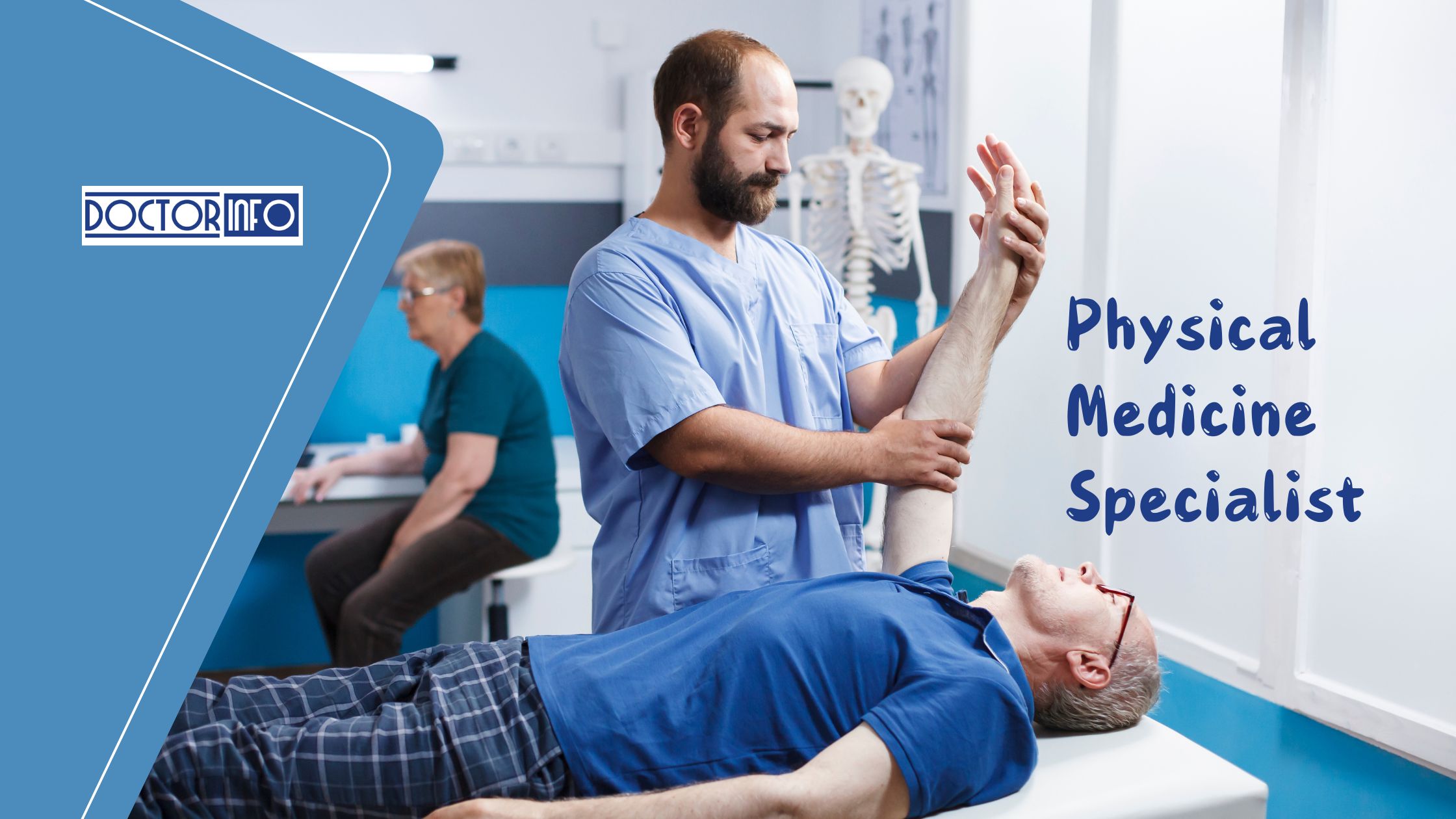
A rehabilitation specialist, or physiatrist, is a medical doctor specializing in physical medicine and rehabilitation (PM&R), with expertise in sports medicine, pain medicine, and rehabilitation for patients of all ages, including pediatric rehabilitation medicine. Physiatrists, sometimes called rehabilitation doctors, diagnose and treat musculoskeletal, neurological, and chronic pain conditions that impact function and quality of life. Unlike physical therapists, who primarily focus on administering rehabilitation exercises, PMR physicians offer a holistic approach, combining diagnostic evaluations, therapeutic care, and personalized rehabilitation plans.
Physiatrists, such as those at renowned institutions like the Mayo Clinic, help patients manage pain, regain mobility, and enhance independence, whether recovering from sports injuries, brain injuries, or spinal cord injuries. They provide specialized care through non-surgical treatments, physical rehabilitation, and mental well-being support, helping patients build resilience and recover their best possible quality of life.
Types of Conditions Treated by Physical Medicine Specialists
Physical medicine specialists handle a wide array of conditions, including:
- Musculoskeletal Injuries: Common injuries include sprains, strains, fractures, and sports injuries. Physiatrists provide treatments to reduce pain, promote healing, and restore movement.
- Neurological Disorders: Physiatrists help patients manage and recover from neurological conditions like stroke, spinal cord injuries, multiple sclerosis, and traumatic brain injuries. These conditions often require a blend of medical care and rehabilitation to improve mobility and independence.
- Chronic Pain Conditions: Conditions such as arthritis, fibromyalgia, and back pain can hinder daily functioning. Physical medicine specialists use non-surgical treatments to reduce pain, improve physical function, and support patients daily.
- Post-Surgical Rehabilitation: Following surgery, physiatrists develop rehabilitation programs to speed up recovery, reduce complications, and restore full functionality. They collaborate with physical therapists to ensure patients regain strength and mobility.
Personalized Recovery Plans
One of the most valuable benefits of consulting a physical medicine specialist is the personalized care plan. After evaluating a patient's specific needs, goals, and lifestyle, a physiatrist creates an individualized plan that may include physical therapy, pain management techniques, and lifestyle modifications. This customized approach ensures patients receive targeted, effective care rather than a one-size-fits-all solution.
Physiatrists track patients' progress and adjust the treatment plan as needed, helping maximize recovery efficiency and ensure patients reach their full potential.
Multidisciplinary Approach to Healing
Physical medicine specialists often work as part of a larger team, collaborating with physical, occupational, speech, and other healthcare professionals. This multidisciplinary approach provides a comprehensive view of the patient's recovery needs. Each team member contributes their expertise, providing holistic care that addresses not just the physical injury but also psychological, social, and environmental factors that impact recovery.
For example, a patient recovering from a stroke might receive physical therapy to improve mobility, speech therapy for communication skills, and psychological support to deal with emotional challenges. This collaborative approach has proven to be highly effective in achieving lasting results.
Physical Medicine Specialists and Pain Management
Pain management is a central part of physical medicine and rehabilitation. Many patients visit physiatrists specifically to manage chronic or acute pain without relying on surgery or narcotics. Physical medicine specialists use various techniques, such as:
- Injections: Corticosteroid injections, joint injections, and nerve blocks can provide targeted pain relief.
- Physical Therapy: By strengthening muscles and improving mobility, physical therapy can often alleviate pain associated with certain conditions.
- Ultrasound-Guided Procedures: Physiatrists use ultrasound to administer treatments, ensuring precision and minimizing discomfort accurately.
Effective pain management reduces suffering and speeds up recovery by allowing patients to engage more fully in rehabilitation exercises and daily activities.
Improvement of Physical Function and Quality of Life
The ultimate goal of physical medicine specialists is to improve patients' physical abilities and quality of life. By addressing the root causes of pain and immobility, physiatrists help patients regain strength, balance, and range of motion. They set realistic recovery goals and guide patients toward achieving them, empowering them to participate in their recovery process actively.
For people dealing with chronic pain or mobility issues, this support is life-changing. Physiatrists help these individuals re-engage with everyday activities, hobbies, and work, improving their quality of life.
Non-Surgical Treatment Options and Techniques
One of the hallmarks of physical medicine is the emphasis on non-surgical treatments. Physiatrists offer a range of non-invasive techniques, including:
- Electrical Stimulation: This method can relieve pain and improve muscle function in certain conditions.
- Ultrasound Therapy: Ultrasound reduces pain, increases blood flow, and stimulates tissue healing.
- Manual Therapy: Hands-on massage and joint manipulation help improve flexibility and reduce pain.
These non-surgical interventions are often safer and more affordable than surgical alternatives, making them an excellent option for patients seeking effective recovery without the risks of surgery.
Support for Emotional and Mental Well-being
Physical recovery can be mentally and emotionally taxing, especially after major injuries or chronic illness. Physiatrists understand that physical recovery is intertwined with mental and emotional health. They help patients set achievable goals, celebrate milestones, and maintain a positive outlook, essential for sustained motivation and resilience during recovery.
Preventing Future Injuries and Complications
Prevention is an essential part of physical medicine. Physiatrists educate patients on proper body mechanics, exercises, and lifestyle changes that can help prevent future injuries or complications. By learning how to move, lift, and exercise correctly, patients reduce their risk of re-injury and build a foundation for long-term health.
For example, a patient recovering from a back injury may receive education on posture, core-strengthening exercises, and ergonomic adjustments to prevent further strain.
Choosing the Right Physical Medicine Specialist in Bangladesh
Selecting a qualified physical medicine specialist is crucial for optimal recovery. In Bangladesh, look for physiatrists who have undergone specialized physical medicine and rehabilitation training. Additionally, consider their experience treating specific conditions and ability to communicate effectively.
Research a psychiatrist's background, read reviews, and consult with them to discuss their approach to recovery. Choosing a specialist you feel comfortable with will make a big difference in your overall experience and recovery outcomes.
Dr. Amitabh Banik
MBBS, BCS (Health), CCD (Bardem), FCPS (Physical Medicine & Rehab:) Assistant Professor, Department of Physical Medicine and Rehabilitation Sir Salimullah Medical College, Dhaka.
- The diseases that are treated
- Arthritis
- PLID
- Rheumatological Disease
- Neuro and Orthopedic Rehabilitation Specialist.
- Address:Medinet Medical Services Plots 1,2,3 BNSB Building, Kalwalapara, Mirpur-1, Dhaka-1217
- Time:Saturday, Monday, Wednesday - 07:30 PM to 10:00 PM ( Friday Off )
- For Appointment: 01902991500
9:00 AM to 5.00 PM Make Online Appointment
Dr. Hasan Habibur Rahman
MBBS, BCS (Health), MD (Physical Medicine & Rehabilitation) Assistant Professor, Department of Physical Medicine and Rehabilitation Sheikh Hasina National Institute of Burn and Plastic Surgery, Dhaka.
- The diseases that are treated
- Arthritis
- PLID
- Rheumatological Disease
- Neuro and Orthopedic Rehabilitation Specialist.
- Address:Medinet Medical Services Plots 1,2,3 BNSB Building, Kalwalapara, Mirpur-1, Dhaka-1217
- Time: Saturday, Monday, Wednesday - 07:30 PM to 09:00 PM ( Friday Off )
- For Appointment: 01902991500
9:00 AM to 5.00 PM
Dr. Sanjida Parveen
MBBS, BCS (Health) FCPS (Physical Medicine and Rehabilitation) Assistant Professor and Head of Department, Physical Medicine National Chest Disease Institute and Hospital, Dhaka.
- The diseases that are treated
- Arthritis
- PLID
- Rheumatological Disease
- Neuro and Orthopedic Rehabilitation Specialist.
- Address:
Alok Healthcare Kachukhet Branch. 4th & 5th Floor, Rajanigandha Tower, Kachukhet Rd, Mirpur 14, Dhaka 1206
- Time:
Saturday, Sunday, Monday, Tuesday, Wednesday, Thursday - 07:00 PM to 09:00 PM ( Friday Off )
- For Appointment:
9:00 AM to 5.00 PM
Dr. AKM Asad-Ud-Doza
MBBS, FCPS (Physical Medicine) BIRDEM General Hospital, Dhaka.
- The diseases that are treated
- Arthritis
- PLID
- Rheumatological Disease
- Neuro and Orthopedic Rehabilitation Specialist.
- Address: Plos 1,2,3 BNSB Building, Kalwalapara, Mirpur-1, Dhaka-1217
- Time: Sunday, Tuesday, Thursday - 07:00 PM to 09:00 PM ( Friday Off )
- For Appointment: 01902991500
10:00 AM to 07:00 PM ( Friday Off )
Dr. Saifur Ahmed (Apu)
MBBS (Dhaka), BCS (Health) MD (Physical Medicine & Rehabilitation) FCGP, CCD (Certified Dialectologist) Consultant Physiatrist National Institute of Neurosciences and Hospital (NINS) Specialist in Rheumatology, Joint and Spine Diseases, Stroke and Paralysis Rehab.
The diseases that are treated
- Arthritis
- PLID
- Rheumatological Disease
- Neuro and Orthopedic Rehabilitation Specialist.
Conclusion
In conclusion, consulting a PMR doctor— a specialist in physical medicine and rehabilitation—can be a crucial step in enhancing recovery. Unlike a primary care physician, a PMR doctor focuses on a comprehensive, patient-centered approach to restore physical function and improve quality of life. From managing pain through techniques like spinal and facet joint injections to working closely with occupational therapists, PMR specialists support every aspect of your recovery.
Physical medicine is a unique medical specialty that emphasizes non-surgical solutions. It ensures patients' rights to access personalized, holistic care, with detailed medical records tracking progress at every stage. Whether recovering from an injury surgery or managing chronic pain, a PMR doctor can guide you through a multidisciplinary approach, often collaborating with urgent care providers to deliver the best possible outcomes.
If you're on a recovery journey, consider contacting a PMR doctor. Their expertise can equip you to regain control over your health, mobility, and life with a focus on sustainable, long-term well-being.


