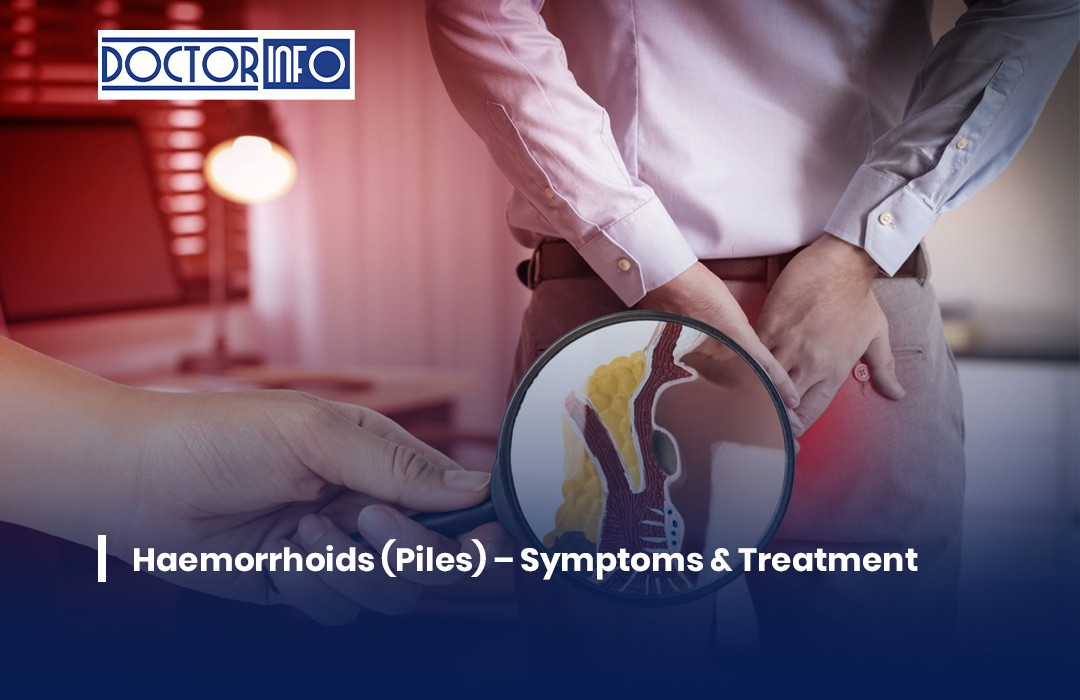
Haemorrhoids (Piles) – Symptoms & Treatment
- 22 Apr 2025
- Best Doctor List
Haemorrhoids, commonly known as piles, are swollen veins in the lower part of the rectum and anus. They can cause discomfort, pain, and bleeding, and are a common condition that affects people of all ages, particularly adults over 45. Although they are rarely dangerous, they can significantly impact quality of life if left untreated.
Types of Haemorrhoids
There are two main types:
- Internal Haemorrhoids: Located inside the rectum, these are usually painless but may cause bleeding during bowel movements.
- External Haemorrhoids: Found under the skin around the anus, these can be painful, swollen, and itchy, especially when irritated.
In some cases, a thrombosed haemorrhoid may occur when a blood clot forms inside an external haemorrhoid, leading to severe pain and inflammation.
Common Symptoms
- Bright red blood during or after bowel movements
- Itching or irritation in the anal area
- Pain or discomfort, especially while sitting
- Swelling around the anus
- A lump near the anus, which may be sensitive or painful
Causes and Risk Factors
Haemorrhoids are caused by increased pressure in the lower rectum. This pressure may result from:
- Straining during bowel movements
- Chronic constipation or diarrhea
- Sitting for long periods, especially on the toilet
- Obesity
- Pregnancy
- Low-fiber diet
Diagnosis
A physical examination is usually sufficient to diagnose external haemorrhoids. Internal haemorrhoids may require further investigation using procedures like:
- Digital rectal exam
- Anoscopy
- Sigmoidoscopy or colonoscopy (in some cases, especially if rectal bleeding is present)
Treatment Options
Treatment depends on the severity of symptoms:
Lifestyle and Home Remedies
- High-fiber diet (fruits, vegetables, whole grains)
- Drinking plenty of water
- Regular exercise
- Avoiding straining during bowel movements
- Over-the-counter creams, ointments, and suppositories
Non-Surgical Procedures
If symptoms persist, a doctor may recommend:
- Rubber band ligation: cutting off blood flow to the haemorrhoid
- Sclerotherapy: injecting a solution to shrink the haemorrhoid
- Infrared coagulation or laser therapy
Surgical Options
In severe cases, surgery may be necessary:
- Haemorrhoidectomy: surgical removal of haemorrhoids
- Stapled haemorrhoidopexy: a less painful option with faster recovery
Prevention
To prevent haemorrhoids or reduce recurrence:
- Eat a fiber-rich diet
- Stay hydrated
- Avoid prolonged sitting
- Exercise regularly
- Respond promptly to the urge to have a bowel movement
Making Informed Healthcare Decisions in Bangladesh
When dealing with conditions like haemorrhoids, it’s important to access reliable medical advice and appropriate treatment options. This is where DoctorInfoBD plays a vital role. As a Comprehensive Healthcare Information Solution for Bangladesh, DoctorInfoBD connects patients with verified healthcare professionals, clinics, and services tailored to their needs.
If you're in Bangladesh and seeking guidance on managing haemorrhoids or other health conditions, consider reaching out to Clinic Sheba – the trusted partner behind DoctorInfoBD. Their dedicated team helps patients navigate treatment options and access qualified medical care efficiently.
📍 Contact Details
Clinic Sheba / DoctorInfoBD
Mirpur, Dhaka, Bangladesh
📞 +880 1902991500
📧 clinicsheba@yahoo.com
Conclusion
Haemorrhoids are a common yet manageable condition. With proper lifestyle adjustments, medical intervention when necessary, and access to reliable healthcare resources like DoctorInfoBD, individuals can achieve better outcomes and relief from symptoms. Making informed decisions with trusted medical support is key to long-term health and well-being.


