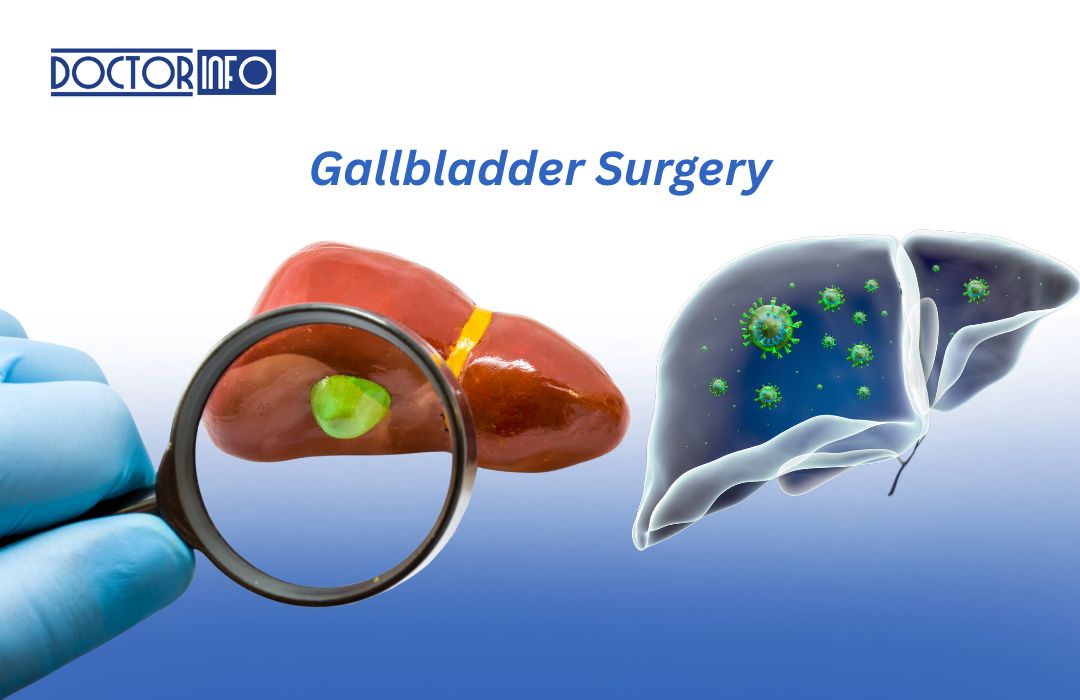
Gallbladder Surgery: Procedure & Recovery Simplified!!
- 19 Apr 2025
- Best Doctor List
Gallbladder surgery is a common procedure today. This guide explains gallbladder surgery—both the procedure and recovery—using clear language. At Doctor Info, we offer a trusted resource for patients and families in Bangladesh. Our goal is to help you understand the process from beginning to end.
1. What is Gallbladder Surgery?
Gallbladder surgery usually means removing the gallbladder (cholecystectomy). It is done when gallstones or inflammation cause pain or complications.
1.1 Reasons for Surgery
- Gallstones: Hard deposits that block bile flow.
- Chronic Inflammation (Cholecystitis): Pain and swelling from long-term irritation.
- Other Issues: Rare tumors or biliary dyskinesia may also require surgery.
1.2 Types of Gallbladder Surgery
There are two main types:
- Laparoscopic Cholecystectomy: A minimally invasive method using small cuts and a camera.
- Open Cholecystectomy: A larger incision is used when complications arise or anatomy is complex.
2. Pre-Operative Preparation
Proper preparation is essential for a successful surgery and quick recovery.
2.1 Medical Evaluation and Testing
Before surgery, doctors will:
- Conduct Blood Tests: To check overall health and clotting.
- Imaging Studies: Ultrasound or CT scans help visualize the gallbladder and find gallstones.
- Anesthesia Evaluation: To ensure the patient is fit for the procedure.
2.2 Fasting and Medication Guidelines
- Fasting Requirements: Usually, no food or drink is allowed for 6–8 hours before surgery.
- Medication Adjustments: Follow your doctor’s advice on regular medications.
2.3 Patient Counseling
- Discuss the Procedure: Understand risks, benefits, and the recovery process.
- Emotional Preparation: Discuss fears and questions to feel ready for surgery.
- Arrange Support: Have a family member or friend available to help after discharge.
3. The Surgical Procedure
Here’s what happens in the operating room.
3.1 Laparoscopic Surgery
- Small Incisions: Two to four small cuts are made in the abdomen.
- Insertion of Instruments: A tiny camera (laparoscope) and specialized tools are used.
- Removal Process: The gallbladder is carefully detached from the liver and bile ducts.
- Closure: Incisions are closed with stitches or tape, minimizing scarring and recovery time.
3.2 Open Surgery
- Larger Incision: A larger cut is made when complications exist for better visibility.
- Direct Access: Surgeons can see the organs directly, allowing thorough removal.
- Extended Recovery: Open surgery usually means a longer hospital stay and recovery time.
4. Immediate Post-Operative Care
Care continues in the recovery room and hospital after surgery.
4.1 Recovery Room Monitoring
- Vital Signs: Nurses check heart rate, blood pressure, and oxygen levels.
- Pain Management: Pain is controlled with medications based on your comfort.
- Observation: The team watches for early signs of complications like bleeding or infection.
4.2 Hospital Stay and Early Recovery
- Short Hospitalization: Laparoscopic surgery often allows for same-day discharge or an overnight stay.
- Wound Care: Instructions on caring for incision sites are given to prevent infection.
- Dietary Guidelines: Initially, a liquid or soft diet is recommended until digestion resumes.
5. Home Recovery and Rehabilitation
Returning home marks the start of your full recovery.
5.1 Activity and Rest
- Gradual Return: Start with light activities and increase movement as advised.
- Rest: Adequate rest is crucial for healing; avoid strenuous tasks for several weeks.
- Follow-Up Visits: Regular check-ups are important to monitor progress and remove stitches if needed.
5.2 Nutrition and Hydration
- Balanced Diet: Eating nutrient-rich foods speeds up recovery and supports your immune system.
- Avoid Heavy Fats: Initially, avoid high-fat meals until digestion stabilizes.
- Stay Hydrated: Drinking water helps with healing and prevents complications.
5.3 Managing Discomfort and Side Effects
- Medication Adherence: Take pain relievers and antibiotics exactly as prescribed.
- Watch for Infection: Check the surgical site for signs of infection—redness, swelling, or pus.
- Seek Help: Contact your doctor if you experience severe pain or fever.
6. Long-Term Recovery and Lifestyle Adjustments
After the immediate recovery phase, some adjustments might be needed.
6.1 Gradual Resumption of Normal Activities
- Physical Activity: Slowly add exercise and more strenuous activities.
- Dietary Changes: Many patients choose a healthier, low-fat diet for better digestive health.
- Emotional Recovery: It's important to adjust emotionally after surgery. If you need help, think about joining a support group or seeking counseling.
6.2 Monitoring Health Post-Surgery
- Regular Check-Ups: Scheduled appointments help catch any long-term complications.
- Self-Monitoring: Keep track of unusual symptoms and report them quickly.
- Maintenance: A healthy lifestyle lowers the risk of future medical issues.
7. Potential Complications and Their Management
Gallbladder surgery is generally safe, but knowing potential issues is important.
7.1 Common Complications
- Infection: Treated with antibiotics and proper wound care.
- Bile Leak: Rare, but may need further treatment if detected.
- Digestive Changes: Some patients may have temporary digestive issues after surgery.
7.2 Remedies and Treatments
- Prompt Medication: Early use of prescribed medications can prevent complications from worsening.
- Additional Procedures: In rare cases, further surgery may be necessary to fix issues.
- Dietary Adjustments: A low-fat diet can help ease digestive discomfort after surgery.
8. Frequently Asked Questions
Q: How long is the recovery time after gallbladder surgery? A: Recovery time differs. Laparoscopic patients often get back to normal activities in 1–2 weeks. In contrast, open surgery recovery may take 4–6 weeks.
Q: What signs of complications should I watch for? A: Look for persistent pain, fever, increased redness at the incision, or difficulty eating.
Q: Can I eat normally after my recovery? A: Most patients return to a normal diet eventually, though a low-fat diet is advised at first.
9. Why Doctor Info Is the Best Resource
At Doctor Info, we aim to provide clear, up-to-date health information, especially for Bangladesh. Here’s what makes us stand out:
- Reliable Expertise: Our content is reviewed by experienced surgeons and healthcare professionals.
- Simple Explanations: We avoid medical jargon so everyone can understand key concepts.
- Bangladesh-Centric Information: Our content is tailored for the healthcare landscape in Bangladesh.
- Continuous Updates: We keep our information current with the latest procedures and recovery tips.
- Patient Support: Our website is a trusted companion for those seeking accurate medical advice.
10. Real-Life Patient Stories
Many patients have successfully navigated recovery with these guidelines:
- Success Story: One patient followed home care instructions and had a smooth recovery after laparoscopic cholecystectomy.
- Community Feedback: Families in Bangladesh value the clear and dependable information on Doctor Info.
11. Additional Tips for a Smooth Recovery
- Keep a Recovery Diary: Track your progress, diet, and any symptoms.
- Stay Informed: Read our other articles to keep updated on best practices.
- Ask Questions: Consult your healthcare provider if anything seems off.
12. Conclusion
Understanding gallbladder surgery and recovery can empower you and your family. Follow our guidelines for a smooth, safe path to good health. They cover pre-operative instructions and long-term recovery tips. Doctor Info is here to support you with trusted advice tailored for Bangladesh.
For expert guidance on gallbladder surgery and all your healthcare queries, Doctor Info is your best resource. Our commitment to clarity and patient care makes us the right choice for your medical information needs.
For comprehensive home care services, you can explore our detailed guide on home care services in Bangladesh, which provides valuable insights and information on how to ensure the best care for your loved ones.


