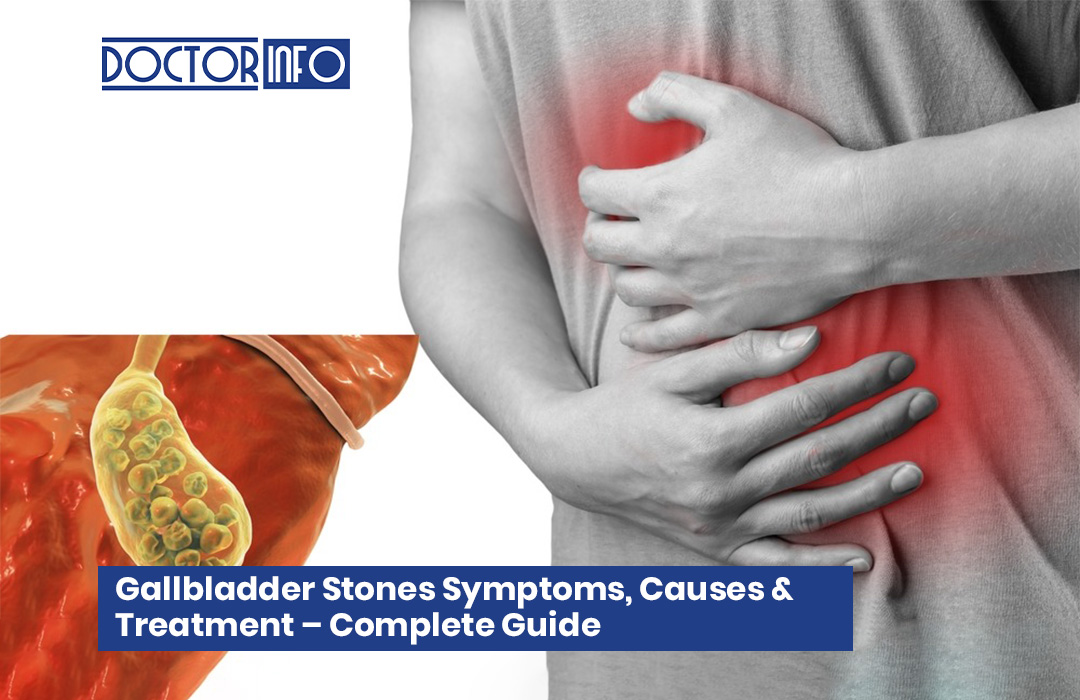
Gallbladder Stones Symptoms, Causes & Treatment – Complete Guide
- 26 May 2025
- Best Doctor List
Gallbladder stones, commonly known as gallstones, are a surprisingly common health issue affecting millions of people worldwide. These small, hardened deposits form in your gallbladder—a small organ beneath your liver—and can lead to severe pain and complications if left untreated.
Whether you’re experiencing unexplained abdominal discomfort or just want to educate yourself about the condition, this complete guide will walk you through everything you need to know about gallbladder stones, including symptoms, causes, diagnosis, and treatment options.
🧐 What Are Gallbladder Stones?
Gallbladder stones (or gallstones) are hardened deposits of digestive fluid, mainly cholesterol and bilirubin, that form in the gallbladder. They range in size from a grain of sand to a golf ball and may be singular or multiple.
The gallbladder stores bile, a fluid produced by the liver that helps digest fats. When bile contains too much cholesterol or waste and not enough bile salts, stones can form.
⚠️ Gallbladder Stones Symptoms
Many people with gallstones don’t have symptoms and may never know they have them. This is called “silent gallstones.”
However, when a gallstone blocks a bile duct, it can trigger a painful condition called a gallbladder attack or biliary colic.
Common symptoms include:
- Sudden, intense pain in the upper right or center of the abdomen
- Pain that radiates to your right shoulder or back
- Nausea or vomiting
- Indigestion, bloating, or gas after meals (especially fatty foods)
- Jaundice (yellowing of the skin or eyes, if bile duct is blocked)
- Fever or chills (may indicate gallbladder infection)
⏱️ Gallstone attacks often occur after a heavy or fatty meal and can last from 30 minutes to several hours.
🔍 What Causes Gallstones?
There’s no single cause of gallstones, but several risk factors contribute to their formation:
1. Excess Cholesterol in Bile
The most common cause. If your liver excretes too much cholesterol, it can crystallize and form stones.
2. Too Much Bilirubin
Conditions like liver disease, infections, or hemolytic anemia can cause high bilirubin levels, leading to pigmented stones.
3. Poor Gallbladder Function
If your gallbladder doesn’t empty completely, bile becomes concentrated and can harden into stones.
🎯 Risk Factors You Should Know
You’re more likely to develop gallstones if you:
- Are female (estrogen can increase cholesterol in bile)
- Are over 40 years old
- Are overweight or obese
- Have a family history of gallstones
- Follow a high-fat, low-fiber diet
- Lose weight too quickly
- Have diabetes or liver disease
- Take hormone therapy or birth control pills
🧪 How Are Gallstones Diagnosed?
If your doctor suspects gallstones, they may recommend:
- Ultrasound – Most common and effective diagnostic test
- CT Scan or MRI – To detect complications
- HIDA Scan – To assess gallbladder function
- Blood Tests – To check for signs of infection, liver function, or bile duct blockage
💊 Gallbladder Stone Treatment Options
Treatment depends on whether you’re experiencing symptoms.
1. No Symptoms? No Immediate Treatment
If gallstones aren’t causing symptoms, doctors may adopt a “wait and watch” approach.
2. Medications
- Oral bile acid pills (ursodiol) may dissolve cholesterol stones over time.
- Works slowly and not suitable for everyone.
3. Surgery (Cholecystectomy)
- Laparoscopic gallbladder removal is the most common and effective treatment.
- Performed under general anesthesia with minimal recovery time.
- Your body can function without a gallbladder—bile flows directly from the liver to the intestine.
4. Non-Surgical Options
- ERCP: Used if a stone is stuck in the bile duct.
- Shock wave therapy (lithotripsy): Rarely used, can break stones into smaller fragments.
🥦 Diet Tips for Gallstone Prevention
While not all gallstones are preventable, a healthy lifestyle goes a long way.
✅ Do:
- Eat more fiber-rich fruits, vegetables, and whole grains
- Choose healthy fats (olive oil, fish oils)
- Stay physically active
- Maintain a healthy weight
❌ Avoid:
- High-fat, processed foods
- Skipping meals or fasting
- Rapid weight loss
❓ Frequently Asked Questions (FAQs)
1. Can gallstones go away on their own?
Silent gallstones can remain without causing problems, but symptomatic gallstones typically require treatment.
2. Is gallstone surgery safe?
Yes, laparoscopic cholecystectomy is a common, safe, and effective procedure with a high success rate and low risk.
3. What happens if gallstones are left untreated?
They may lead to infection, inflammation, or blockage of the bile ducts, which can become life-threatening.
4. Can I live without my gallbladder?
Absolutely! Many people live normal lives after gallbladder removal. You may need to adjust your diet slightly.
📝 Final Thoughts
Gallbladder stones are common but manageable. Recognizing symptoms early, understanding risk factors, and seeking timely medical advice can help you avoid complications.
If you’re experiencing recurring abdominal pain—especially after eating—it’s worth discussing with a healthcare provider. A simple ultrasound can uncover the issue, and modern treatments can offer lasting relief.


