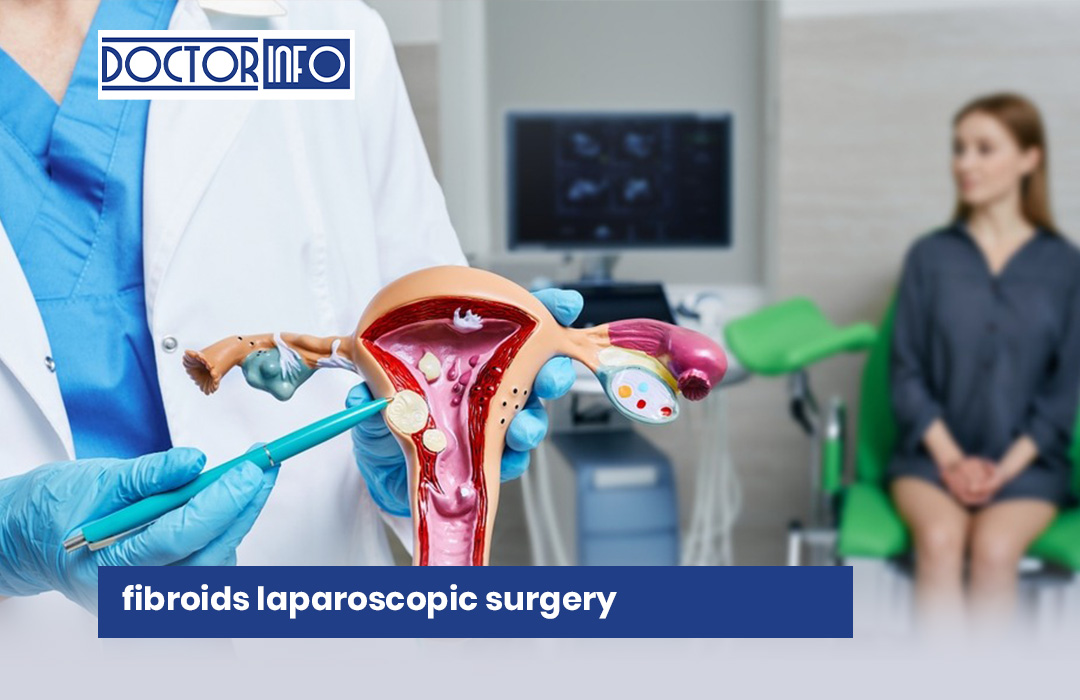
Fibroids Laparoscopic Surgery in Dhaka
- 22 May 2025
- Best Doctor List
Fibroids are a common yet often misunderstood health condition affecting millions of women worldwide. When symptoms become disruptive, surgical intervention may be necessary. Among various options, laparoscopic surgery for fibroids has emerged as a minimally invasive and highly effective treatment. This blog post will guide you through everything you need to know about fibroids, why laparoscopic surgery is preferred, the procedure itself, and what to expect during recovery.
What Are Fibroids?
Fibroids, also known as uterine leiomyomas, are benign (non-cancerous) growths that develop in or on the uterus. They vary in size—from tiny seedlings undetectable by the naked eye to large masses that can distort the uterus and cause significant symptoms.
Common Types of Fibroids
- Intramural fibroids: Grow within the muscular uterine wall.
- Submucosal fibroids: Protrude into the uterine cavity.
- Subserosal fibroids: Grow on the outer surface of the uterus.
What Causes Fibroids?
The exact cause remains unclear, but several factors are thought to contribute:
- Hormones: Estrogen and progesterone promote fibroid growth.
- Genetics: Family history increases risk.
- Age: Women in their 30s and 40s are more commonly affected.
- Other factors: Obesity, diet, and lifestyle may play roles.
Symptoms That Might Signal the Need for Treatment
Many women with fibroids experience no symptoms. However, when fibroids grow large or press on surrounding organs, symptoms can include:
- Heavy or prolonged menstrual bleeding
- Pelvic pain or pressure
- Frequent urination
- Constipation
- Pain during intercourse
- Enlarged abdomen or bloating
- Fertility issues or pregnancy complications
Treatment Options for Fibroids
Treatment depends on the size, number, location of fibroids, symptom severity, and a woman’s reproductive plans. Common treatments include:
- Medications: To regulate hormones and control bleeding.
- Non-invasive procedures: Uterine artery embolization (UAE), MRI-guided focused ultrasound.
- Surgical options: Myomectomy (removal of fibroids), hysterectomy (removal of the uterus).
Among surgical options, laparoscopic myomectomy is increasingly favored for many women.
What is Laparoscopic Surgery for Fibroids?
Laparoscopic surgery is a minimally invasive technique that uses small incisions, a camera (laparoscope), and specialized instruments to remove fibroids. Unlike traditional open surgery, laparoscopic surgery causes less trauma to the body and typically results in faster recovery.
How Is the Procedure Performed?
- Anesthesia: General anesthesia is administered.
- Small incisions: Usually 3–4 tiny cuts (around 0.5–1 cm) are made in the abdomen.
- Insertion of laparoscope: The camera sends real-time images to a monitor, guiding the surgeon.
- Fibroid removal: Specialized instruments remove fibroids through the small incisions.
- Closure: Incisions are closed with stitches or surgical tape.
Benefits of Laparoscopic Fibroid Surgery
- Less pain and scarring: Small incisions mean minimal scars.
- Shorter hospital stay: Often outpatient or 1-2 days in hospital.
- Quicker recovery: Most women return to normal activities within 1-2 weeks.
- Preserves fertility: Unlike hysterectomy, the uterus is preserved.
- Reduced risk of infection and complications compared to open surgery.
Risks and Considerations
Though safer than open surgery, laparoscopic surgery still carries risks:
- Bleeding
- Infection
- Injury to surrounding organs (bladder, bowel)
- Adhesion formation (scar tissue)
- Fibroid recurrence (new fibroids may develop over time)
Discuss all risks and benefits thoroughly with your gynecologist before deciding.
What to Expect During Recovery
- Pain management: Mild to moderate discomfort is common; painkillers help.
- Activity: Avoid heavy lifting and strenuous exercise for 2-4 weeks.
- Follow-up: Regular check-ups to monitor healing.
- Menstrual cycle: May take 1-2 months to normalize.
When to Consider Laparoscopic Surgery
If you experience significant symptoms affecting your quality of life, or if fibroids threaten fertility or pregnancy, laparoscopic surgery could be a great option. It offers a modern, less invasive approach with faster healing, making it a preferred choice for many women.
Final Thoughts
Fibroids can be challenging, but modern medical advances like laparoscopic surgery provide hope and effective relief. If you suspect fibroids or struggle with symptoms, consult your healthcare provider to explore all treatment options and find the best path to wellness.


