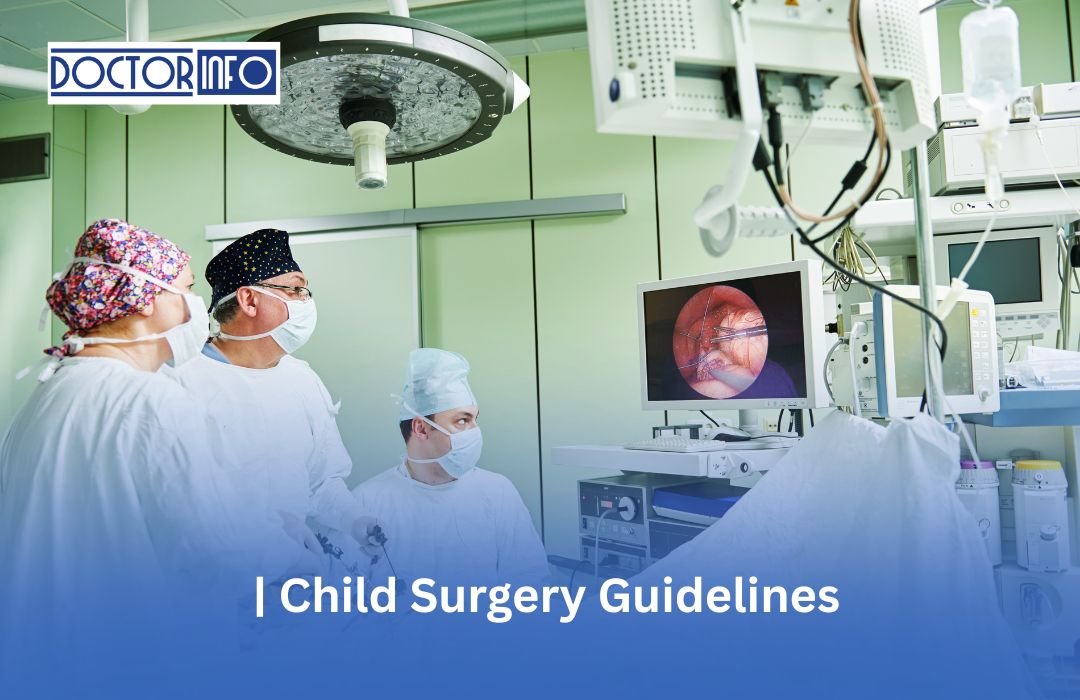
Child Surgery Guidelines Doctor Info
- 19 Apr 2025
- Best Doctor List
Surgery for children can be tough for parents and caregivers. At Doctor Info, we know that clear information helps ease worry and build trust. This post shares guidelines for common surgeries in children. We cover everything from pre-operative prep to post-operative care using simple language. Our goal is to help families in Bangladesh know what to expect and how to support their children during recovery.
1. Understanding Common Pediatric Surgeries
Pediatric surgeries treat various conditions in babies, toddlers, and older children. Common surgeries include:
- Appendectomy: Removal of an inflamed appendix.
- Inguinal Hernia Repair: Fixing a hernia in the groin.
- Tonsillectomy/Adenoidectomy: Removing tonsils or adenoids due to infections.
- Orchiopexy: Correcting undescended testicles.
- Cleft Lip and Palate Repair: Reconstructing birth defects of the lip and mouth.
1.1 What to Expect
Surgery can vary, but some steps are common:
- Initial Consultation: The doctor talks about the surgery, risks, and benefits.
- Pre-surgical Tests: Routine tests, imaging studies, and an anesthesia check may be done.
- Discussion with Parents: Parents should ask questions and share concerns.
2. Pre-Operative Guidelines and Preparation
Proper preparation is key to a successful surgery. Here are steps for parents before their child’s procedure.
2.1 Medical Evaluation
A complete health review is important. The pediatric surgeon and anesthesiologist usually check:
- Medical history: Allergies, past illnesses, and medications.
- Physical examination: Assessing overall health.
- Required tests: Blood work, X-rays, or ultrasounds as needed.
2.2 Fasting and Medication
Children often need to fast before surgery to avoid anesthesia risks. Guidelines include:
- Fasting Duration: No solid food for six to eight hours, clear liquids until two hours before surgery.
- Medication Instructions: Some children can take regular medications with small sips of water. Always follow the doctor’s advice.
2.3 Emotional Preparation
A child's emotional state matters for recovery:
- Clear Communication: Explain what the surgery will do in simple terms.
- Comfort Items: Allow a favorite toy or blanket during the hospital stay to ease anxiety.
- Reassurance: Encourage your child and be honest about minor discomfort, assuring them of the team's experience.
2.4 Parent’s Role
Parents should be proactive:
- Ask Questions: Clarify any doubts before admission.
- Arrange Logistics: Get ready for the hospital stay and follow-up visits.
- Plan Support: Have a trusted family member assist during recovery.
3. Intra-Operative Care
During surgery, experienced professionals ensure safety. Here’s the process:
3.1 Anesthesia
Pediatric anesthesia is carefully managed:
- Type of Anesthesia: Options include general or regional anesthesia.
- Monitoring: Anesthesia professionals monitor vital signs throughout.
3.2 The Surgical Process
The procedure varies by surgery:
- Time Frame: Many pediatric surgeries are day-care or short-stay.
- Technique: Minimally invasive techniques (laparoscopy) are preferred for quicker recovery and less scarring.
- Team Coordination: Surgeons, nurses, and specialists work together smoothly.
4. Post-Operative Guidelines and Recovery
Recovery is gradual. Knowing the guidelines helps ease the transition.
4.1 Immediate Post-Surgery Care
- Recovery Room: After surgery, your child is moved to a recovery area where nurses check breathing, pain, and responsiveness.
- Pain Management: Mild to moderate pain is managed with appropriate medications.
- Observation: Vital signs and signs of complications are closely monitored.
4.2 Home Care and Follow-Up
After discharge, a structured plan is vital:
- Wound Care: Instructions on cleaning and caring for the surgical site to prevent infection.
- Activity Restrictions: Limit physical activity based on the doctor’s advice.
- Follow-Up Appointments: Scheduled checkups are key to track recovery.
4.3 Nutrition and Hydration
Good nutrition supports healing:
- Balanced Diet: A diet rich in vitamins and proteins aids recovery.
- Hydration: Keeping your child hydrated helps flush out toxins.
- Gradual Transition: Slowly reintroduce solid foods after a liquid diet.
5. Tips for Parents
Supporting a child through surgery can be stressful. Here are practical tips:
- Stay Calm: Children mirror parents’ emotions; stay positive.
- Be Present: If allowed, stay with your child in the recovery room.
- Engage in Gentle Activities: Once permitted, involve your child in light play or reading.
- Educate Yourself: Learn about the surgery process and recovery for better support.
6. Special Considerations in Bangladesh
In Bangladesh, pediatric care has improved, but unique factors exist:
- Local Facilities: Seek accredited pediatric centers experienced in child surgeries.
- Cultural Sensitivity: Respect local customs that may affect care.
- Cost and Accessibility: Many urban hospitals offer cost-effective care without compromising quality.
7. Why Doctor Info Is Your Best Resource
At Doctor Info, we provide clear and simple information. Here’s what makes us stand out:
- Expert-Reviewed Content: Our articles are reviewed by pediatric specialists for the best advice.
- User-Friendly Language: We use plain language to explain guidelines.
- Bangladesh-Focused: Our content is tailored to the healthcare scenario in Bangladesh.
- Trusted Community: Many parents rely on Doctor Info for accurate information.
- Regular Updates: We update our content with the latest medical guidelines.
8. Frequently Asked Questions
Q: How long is the fasting period before surgery for children?A: Typically, children should not eat for six to eight hours and may have clear liquids up to two hours before surgery.
Q: What signs should I watch for after my child’s surgery?A: Look for excessive pain, fever, redness or swelling at the incision, and unusual behavior; contact the doctor if any occur.
Q: Is it safe for my child to return to normal activities soon after surgery?A: Recovery time varies by surgery; always follow your doctor’s advice on activity levels.
9. Real-Life Experience and Success Stories
Families have seen success with proper guidelines:
- Case Example: One parent shared how following wound care instructions helped her child avoid complications after a tonsillectomy.
- Community Advice: Local support groups in Bangladesh report positive outcomes when guidelines are closely followed.
10. Conclusion
These guidelines for common surgeries in children provide a roadmap for parents. Understanding each step—from prep to recovery—helps ensure safe outcomes. Every child is different, so consult your healthcare provider for personalized advice.
Your child’s health is crucial. With the right knowledge and support from Doctor Info, you can feel confident in your decisions. Explore more on our website and join the families who benefit from our clear guidance.


